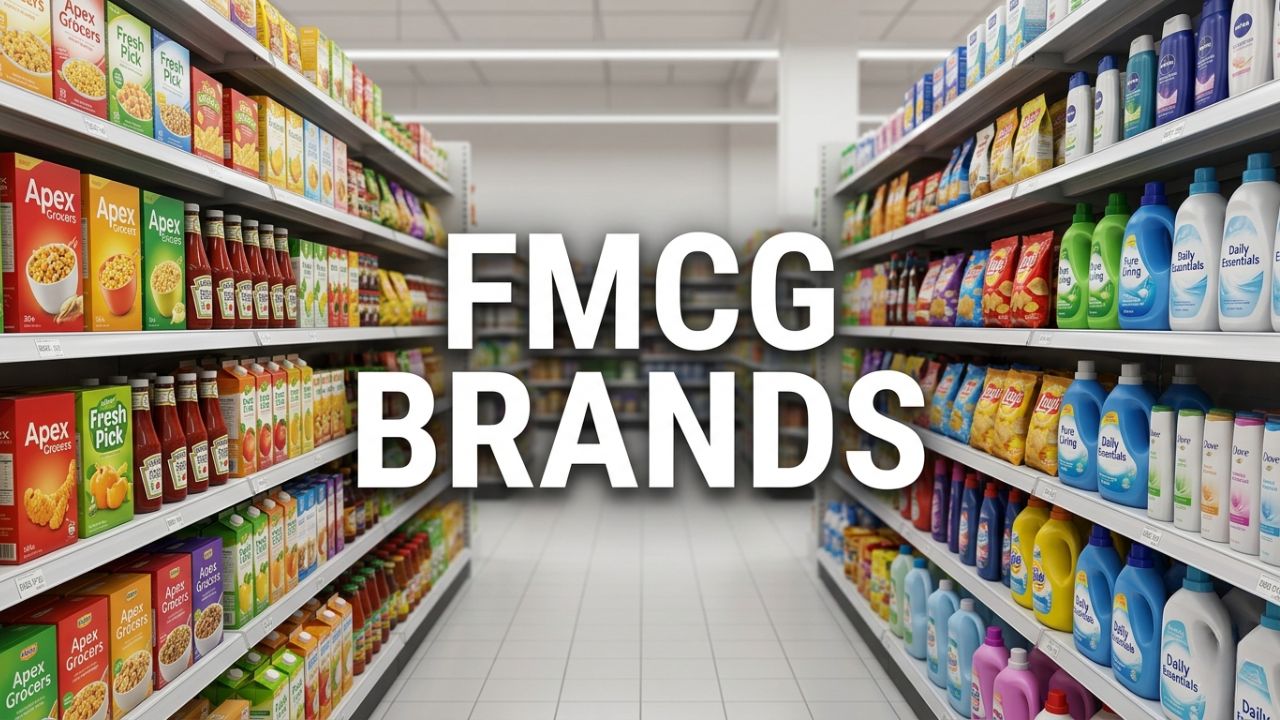
FMCG brands operate in an environment where visibility, recall, and trust directly influence buying decisions. A domain extension, often overlooked, plays a powerful role in shaping how a brand is perceived online. It acts as a signal that communicates purpose, reliability, and relevance within seconds. Whether promoting packaged foods, personal care products, or household essentials, a strong domain extension can support brand recognition and improve customer confidence. With growing digital competition, simply having a website is not enough.
Understanding Domain Extensions in the FMCG Brands
Domain extensions form a key part of a brand’s online identity and influence how FMCG businesses are perceived in the digital space. They appear at the end of a website name but carry significant meaning for trust, clarity, and positioning. In a sector where products are frequently purchased and decisions are made quickly, even small details, such as a domain extension, can influence user behavior. Familiar extensions such as .com often suggest reliability, while newer options like .store or .shop can highlight a direct selling approach.
What domain extensions mean for FMCG Brands
Domain extensions act as a quick signal that helps customers identify the purpose and nature of an FMCG brand’s website. A familiar extension like .com often creates an immediate sense of reliability, while more specific options such as .store or .shop suggest a direct retail focus. This clarity is valuable in a fast-paced environment where customers prefer quick and simple decisions. A well-matched extension can guide expectations and encourage visitors to engage with the website without hesitation.
Beyond clarity, domain extensions also influence how a brand is remembered and recognized. A relevant extension strengthens the connection between the brand name and its offerings, making it easier for customers to recall the website later. Consistency across advertising, packaging, and digital platforms becomes more effective when the domain feels natural and aligned. FMCG brands that choose meaningful extensions often build stronger recognition and create a seamless experience that supports both discovery and repeat purchases.
Why FMCG Brands’ businesses need the right domain strategy
A well-defined domain strategy helps FMCG brands maintain consistency and clarity across their digital presence. It involves selecting extensions that match brand identity, product categories, and long-term goals. Without a clear strategy, domain choices may appear random or disconnected, thereby weakening brand recognition. A structured approach ensures that every domain decision supports growth and aligns with marketing efforts across different channels.
Strategic planning also helps prevent issues such as brand confusion or limited scalability. FMCG brands often expand product lines or enter new markets, and a poorly chosen domain can restrict these opportunities. A relevant and flexible extension supports future growth while maintaining a strong identity. When domain decisions are made with a long-term vision, they contribute to a stable, recognizable presence that customers can trust and easily connect with over time.
 How domain extensions influence trust in FMCG Brands
Trust plays a critical role in FMCG purchasing decisions, and domain extensions help build that trust from the first interaction. Customers often feel more comfortable engaging with websites that use familiar and widely recognized extensions. A well-known extension creates a sense of reliability, reducing hesitation and encouraging users to explore products or information further.
Relevant extensions also enhance trust by clearly reflecting the brand’s purpose. When the domain name and extension align, it signals professionalism and attention to detail. Customers are more likely to engage with a brand that appears organized and transparent. FMCG brands that focus on trust by making thoughtful domain selections can build stronger customer relationships, leading to increased loyalty and repeat purchases in a competitive market.
Common domain mistakes made by FMCG Brands
FMCG brands often make avoidable mistakes when selecting domain extensions, which can affect visibility and credibility. One common issue is choosing complex or unfamiliar extensions that are difficult to remember or type correctly. This can lead to lost traffic and reduced engagement. Another mistake is selecting domains that do not clearly represent the brand or its products, which can confuse customers.
Another frequent challenge is failing to account for future expansion and brand protection. A domain that fits current offerings may not support new product lines or market entry later. Additionally, failing to secure similar domain variations can increase the risk of misuse or customer confusion. FMCG brands that avoid these mistakes by planning carefully and choosing relevant, scalable extensions can build a stronger, more consistent digital presence over time.
Why Domain Choice Matters for FMCG Brands
Domain choice plays a central role in shaping how FMCG brands perform in the digital marketplace. It directly influences branding, customer perception, and online visibility, making it a critical part of any growth strategy. A well-selected domain creates a strong first impression and helps customers remember the brand easily, which is essential in a market driven by frequent purchases and quick decisions. Beyond branding, domain choice supports search visibility by providing context about the business and its offerings.
Branding impact in the FMCG Brands market
Branding in FMCG relies heavily on recognition and recall, and the domain name plays a key role in achieving both. A simple and relevant domain extension strengthens brand identity by making it easier for customers to remember and associate with specific products. When the domain aligns with the brand name and category, it creates a consistent image that supports marketing efforts across different channels.
A strong domain also enhances visibility in advertising and packaging. When customers see the same domain across various touchpoints, it reinforces familiarity and trust. FMCG brands that invest in well-aligned domains often stand out in crowded markets by presenting a clear, professional image. This consistency supports long-term brand building and helps create a lasting impression that encourages repeat engagement.
SEO advantages for FMCG Brands’ websites
Search visibility is essential for FMCG brands looking to attract online traffic, and domain choice can support broader SEO strategies. While domain extensions alone do not determine rankings, a relevant and clear domain provides context that helps search engines understand the website’s purpose. When combined with strong content and optimization practices, it improves discoverability.
User behavior also influences search performance, and domains that appear trustworthy and easy to understand can improve click-through rates. Customers are more likely to visit websites that look credible and relevant to their needs. This increased engagement can positively influence rankings over time. FMCG brands that focus on clear and meaningful domain selection often experience steady improvements in visibility and organic growth.
Customer trust in FMCG Brands’ digital businesses
Customer trust is essential for FMCG brands, especially when products are purchased frequently, and competition is high. A professional, familiar domain helps build confidence and reassure customers about the brand’s authenticity. When a domain appears clear and reliable, it reduces hesitation and encourages users to engage with the website.
Consistency between the domain, brand identity, and product offerings further strengthens trust. When all elements align, it creates a seamless and professional experience for customers. FMCG brands that prioritize trust by making thoughtful domain selections can build stronger relationships and encourage repeat purchases. This trust becomes a valuable asset, supporting long-term growth and customer loyalty.
Competitive positioning of FMCG Brands
Domain choice can influence how a brand stands out and positions itself. A distinctive and relevant domain extension helps differentiate the brand, making it easier for customers to recognize and remember. This differentiation is important when multiple brands offer similar products and compete for attention.
A well-chosen domain also reflects the brand’s focus and direction. Whether targeting a broad audience or a specific segment, the right extension clearly communicates intent. FMCG brands that use domain selection as part of their positioning strategy can attract the right customers and build a strong identity. This approach supports long-term success by building a recognizable, trustworthy presence in the digital space.
Best Domain Extension Types for FMCG Brands Businesses
Selecting the right domain extension type helps FMCG brands align their digital identity with business goals and customer expectations. Different categories of extensions offer unique advantages, ranging from traditional, widely recognized options to modern, niche-specific alternatives. Each type serves a different purpose depending on the brand’s strategy and market focus. Traditional extensions provide familiarity and trust, while industry-specific options highlight relevance and purpose.
Traditional domains used by FMCG Brands companies
Traditional domain extensions such as .com remain a popular choice for FMCG brands due to their familiarity and credibility. Customers often associate these extensions with established and reliable businesses, making them a safe option for building trust. A traditional domain can create a positive first impression, encouraging visitors to explore the website and engage with the brand.
These domains also offer flexibility and global reach, allowing FMCG brands to expand without restrictions. Although competition for these domains can be high, securing a strong and memorable name provides long-term benefits. FMCG brands that invest in traditional extensions gain a stable foundation that supports branding, customer trust, and consistent growth in the digital marketplace.
Industry-specific extensions relevant to FMCG Brands
Industry-specific domain extensions provide FMCG brands with a clear way to communicate their purpose through their web address. Extensions like .store or .shop instantly signal a focus on product sales, helping customers understand the business at a glance. This clarity can improve engagement by attracting users actively seeking products.
These extensions also allow for more creative and relevant domain names, as they are less crowded than traditional options. FMCG brands can secure shorter and more meaningful names that align with their identity. When used effectively, industry-specific extensions enhance recognition, improve memorability, and create a strong connection between the domain and the brand’s offerings.
 Modern and niche TLDs for FMCG Brands startups
Modern and niche top-level domains offer FMCG startups the opportunity to create unique and innovative online identities. Extensions such as .online or .tech offer flexibility, enabling brands to experiment with creative naming strategies that reflect their personalities. These options are particularly useful for startups aiming to present themselves as modern and forward-thinking.
Niche TLDs also support targeted branding by aligning with specific themes or audiences. This alignment helps FMCG startups attract a focused customer base and build a distinct presence. While these extensions may not have the same level of recognition as traditional ones, they offer valuable opportunities for brands willing to adopt a strategic and creative approach to domain selection.
Country-specific domains used by FMCG Brands businesses
Country-specific domain extensions are valuable for FMCG brands targeting specific geographic markets. Extensions like .in help signal local relevance, making customers feel more connected to the brand. This local identity can build trust and encourage engagement, especially when customers prefer to shop on regionally recognized platforms.
These domains also support localized marketing strategies by aligning with regional preferences and search behavior. FMCG brands can use country-specific extensions to strengthen their presence within a specific market and build stronger relationships with local customers. By combining local relevance with clear branding, these domains help create a focused and effective digital strategy.
Recommended Domain Extensions for FMCG Brands
Selecting the right domain extension is a crucial step for FMCG brands aiming to build strong visibility and trust in a highly competitive market. A domain name influences how quickly a brand is recognized and how easily customers recall it during repeat purchases. In the FMCG space, where buying decisions are often quick and driven by familiarity, a reliable, memorable domain name plays a vital role. Extensions like .com remain the most trusted and widely accepted, helping brands establish authority and credibility.
Best domain choices for FMCG Brands startups
Launching an FMCG brand requires a domain that is simple, catchy, and easy to remember. Since FMCG products rely heavily on repeat purchases, a clear, recognizable domain name helps build familiarity quickly. Short names paired with trusted extensions like .com create an immediate sense of credibility, especially when reaching new customers. If the preferred .com domain is unavailable, alternatives like .store or .shop can still deliver strong relevance and clarity.
A strong domain should be easy to pronounce and type without confusion. Complicated spellings or unnecessary characters can lead to lost traffic and reduced brand recall. Keeping the domain aligned with the product category or brand identity helps customers connect faster. A well-chosen domain at the startup stage strengthens marketing efforts, enhances brand awareness, and lays a solid foundation for long-term growth.
Best domain extensions for established FMCG Brands companies
Established FMCG brands often focus on reinforcing trust and expanding their market presence by strategically leveraging their domain. A .com domain typically anchors the brand’s identity, offering reliability and global recognition. As the business grows, additional domain extensions may be used to support product launches, regional campaigns, or localized customer experiences.
Using multiple extensions, such as .store or country-specific domains, enables better targeting of diverse markets while maintaining consistent branding. This approach also helps protect the brand from imitation or misuse. Managing a portfolio of domains ensures that customers always reach the correct platform. A well-structured domain strategy enhances visibility, strengthens brand authority, and supports continued growth.
Best domain options for new FMCG Brands businesses
New FMCG businesses often face limited availability when searching for suitable .com domains. Exploring modern extensions like .online, .store, or .shop opens up more possibilities while maintaining relevance. These extensions allow brands to secure meaningful and memorable names that align with their product offerings.
Flexibility is important when selecting a domain. A name that is too specific may limit future product expansion, whereas a balanced, adaptable name supports long-term growth. Keeping the domain simple and aligned with the brand ensures better recall and usability. A thoughtful domain choice helps new FMCG businesses establish a strong presence, attract customers, and build recognition in a crowded marketplace.
Best domain extensions for service-based FMCG Brands firms
Service-based FMCG models, such as subscription boxes or direct-to-consumer delivery services, require domains that reflect reliability and ease of use. Extensions like .com, .co, and .online are widely used because they offer familiarity while still allowing flexibility in branding. These domains help build trust, especially in ongoing customer relationships.
In some cases, niche extensions can highlight the service aspect and make the domain more descriptive. The focus should remain on clarity and memorability. A domain that is easy to recall supports repeat engagement and customer loyalty. Choosing the right extension ensures that the brand appears professional, accessible, and aligned with its service-driven approach.
Domain Strategy Guide for FMCG Brands Businesses
A strong domain strategy is essential for FMCG brands aiming to build lasting recognition and scale effectively. Beyond choosing a domain name, a strategic approach ensures alignment with branding, marketing, and long-term business goals. FMCG markets are fast-moving, where consistency and trust play a critical role in influencing buying decisions. A well-planned domain strategy helps maintain a unified identity across platforms while supporting expansion into new regions and product lines.
Choosing brandable domains for FMCG Brands
A brandable domain helps an FMCG brand stand out in a crowded market while remaining easy to remember and recognize. Strong domains often combine simplicity with uniqueness, allowing customers to recall the brand quickly during repeat purchases. Short, clean names reduce the risk of typing errors and improve overall usability.
Creativity should be balanced with clarity. A domain that is too abstract may confuse customers, while a clear and relevant name builds an instant connection. Consistency across websites, packaging, and marketing channels strengthens brand identity and trust. A well-crafted brandable domain becomes a long-term asset, supporting recognition, loyalty, and growth as the brand expands into new markets or product categories.
When FMCG Brands companies should use .com vs niche TLDs
The choice between .com and niche domain extensions depends on brand positioning and audience expectations. The .com extension is widely trusted and recognized, making it ideal for FMCG brands aiming for strong credibility and global reach. It supports long-term branding and helps build customer confidence.
Niche extensions such as .store or .shop provide flexibility and can highlight the nature of the business. These options are useful when the desired .com is unavailable or when a brand wants to emphasize its retail or product focus. A balanced approach often works best, where both .com and relevant niche extensions are secured to combine trust with creative branding opportunities.
 Multi-domain strategy for scaling FMCG Brands businesses
As FMCG brands grow, a multi-domain strategy becomes valuable for managing expansion and reaching diverse audiences. This approach may include separate domains for different product lines, regions, or marketing campaigns. It allows brands to tailor content and experiences for specific customer segments.
Proper coordination is essential to maintain consistency and avoid confusion. Each domain should serve a clear purpose and align with the overall brand identity. Using redirects, consistent design, and unified messaging ensures a seamless experience. A well-planned multi-domain strategy enhances visibility, supports growth, and allows FMCG brands to scale efficiently without losing brand strength.
Protecting brand identity in the FMCG Brands sector
Protecting brand identity is critical in the FMCG sector, where imitation and competition are common. Securing multiple domain variations, including different extensions and common misspellings, helps prevent misuse and ensures that customers reach the correct website.
Regular monitoring of domain activity helps identify potential risks early. Taking quick action against unauthorized use protects brand reputation and customer trust. A strong protection strategy reinforces credibility and ensures that the brand maintains full control over its online presence. Prioritizing domain security supports long-term success and stability.
Real-World Examples of Domain Use in FMCG Brands
Real-world examples offer practical insights into how FMCG brands use domains to build recognition and achieve growth. Successful brands focus on simplicity, clarity, and consistency when selecting and managing their domains. These domains are easy to remember and align closely with the brand identity. Observing how different brands structure their domains highlights effective strategies that work in real scenarios. From startups to established companies, domain choices influence visibility, trust, and scalability.
Successful FMCG Brands startups using strong domains
Successful FMCG startups often begin with simple, memorable domains that closely align with their brand identity. These domains help create instant recognition and make it easier for customers to recall the brand during repeat purchases. A clear and relevant domain supports early marketing efforts and builds trust quickly.
Consistency across platforms strengthens brand visibility. When the domain matches the brand name used on packaging and digital channels, it creates a unified identity that customers can easily recognize. Over time, this consistency contributes to stronger brand recall and growth. A well-chosen domain becomes a valuable asset that supports long-term success.
How leading FMCG Brands companies structure their domains
Leading FMCG companies often use structured domain systems to manage different aspects of their operations. This may include subdomains for specific product categories, country-specific domains for regional markets, and separate domains for promotional campaigns. Such an organization enables targeted, personalized customer experiences.
A clear domain structure improves navigation and helps customers easily find relevant products. Maintaining consistency across all domains reinforces brand identity and trust. This structured approach supports scalability and helps FMCG brands expand into new markets while maintaining control over their online presence.
Modern FMCG Brands using new domain extensions
Modern FMCG brands are increasingly adopting new domain extensions to create flexible and distinctive identities. Extensions like .store, .shop, and .online allow brands to secure meaningful names that reflect their offerings. These domains help highlight the product-focused nature of the business while enabling creative branding.
Maintaining trust remains essential when using new extensions. Pairing a niche domain with a strong brand identity and a professional website ensures credibility. Many brands also secure the .com version to protect their identity. This balanced approach allows FMCG brands to innovate while maintaining customer confidence and trust.
 Lessons from top-performing FMCG Brands’ websites
Top-performing FMCG websites demonstrate the importance of simplicity, clarity, and consistency in domain selection. Their domains are easy to remember, aligned with the brand, and supported by strong marketing strategies. These businesses treat their domain as a long-term asset that influences customer perception and engagement.
One key lesson is the value of choosing a straightforward domain that avoids confusion. Complex names can reduce trust and limit traffic. Consistency across all channels strengthens brand recognition and builds loyalty. By focusing on clarity and strategic planning, FMCG brands can create a strong digital foundation that supports sustainable growth.
How to Choose the Right Domain for Your FMCG Brands
Choosing the right domain for FMCG brands requires a clear focus on brand recall, trust, and large-scale market reach. Fast-moving consumer goods depend heavily on recognition, repeat purchases, and strong visibility across both online and offline channels. A domain name should be easy to remember, quick to type, and closely aligned with the brand identity. Simplicity plays a major role, as customers often search for products quickly and avoid complex names.
Step 1: Identify your FMCG Brands business model
A strong domain choice begins with a clear understanding of the FMCG business model. Whether the focus is on direct-to-consumer sales, retail distribution, wholesale supply, or a hybrid approach, the domain should reflect how products reach customers. Brands that rely on quick online purchases may benefit from simple, product-oriented names, while larger distribution-focused brands often need broader, brand-driven domains. The structures of product categories, supply chains, and sales channels influence how the domain should be positioned to achieve maximum clarity and impact.
Future expansion should also be considered during this stage. FMCG brands often evolve by introducing new product lines, seasonal offerings, or variations within existing categories. A domain that is too narrow may create limitations, while a flexible, brand-focused name allows smoother growth. The goal is to align the domain with both current operations and long-term plans. When the domain aligns with the business model, it improves consistency across packaging, advertising, and digital platforms, making it easier for customers to instantly recognize and trust the brand.
Step 2: Define your target audience in FMCG Brands
Understanding the target audience is essential when selecting a domain for FMCG brands. Consumer preferences vary widely based on age, lifestyle, purchasing habits, and regional factors. A domain name should feel familiar and relatable to the intended audience, making it easier to recall and share. Simple language, clear pronunciation, and easy spelling ensure the domain performs well across search engines, advertising, and everyday conversations.
Emotional connection also plays a key role in FMCG branding. Products are often chosen based on trust, habit, and perceived value, so the domain should support that connection. A name that reflects quality, affordability, or lifestyle appeal can strengthen brand perception. At the same time, clarity should never be compromised for creativity. Overly abstract or complex names may reduce recognition and affect repeat visits. A well-aligned domain speaks directly to the audience, improves recall, and supports consistent engagement across both digital and physical retail environments.
Step 3: Evaluate domain availability for FMCG Brands
Checking domain availability is a critical step once a suitable name is identified. FMCG markets are highly competitive, and many desirable domain names may already be registered. Exploring variations, shorter alternatives, or slight modifications can help secure a suitable option without compromising brand identity. It is also important to check availability across multiple extensions to maintain flexibility and protect the brand from duplication.
Trademark awareness is equally important during this stage. A domain that closely resembles an existing FMCG brand can lead to legal complications and damage credibility. Basic checks help ensure that the chosen domain is unique and safe to use. Securing related domain variations can further strengthen brand protection and prevent misuse. A thorough availability process reduces risks and ensures that the domain is ready to support long-term branding, marketing, and product visibility without unexpected challenges.
Step 4: Final checklist before selecting a domain
Before finalizing a domain, a detailed checklist helps confirm that all essential factors are covered. The domain should be short, easy to spell, and simple to pronounce, ensuring quick recall during everyday use. Avoid confusing elements such as repeated letters, unusual abbreviations, or unnecessary symbols. Relevance to the brand should remain clear, allowing customers to understand the product category or identity without confusion.
Practical usability should also be tested across devices and marketing channels. The domain should appear clean on packaging, advertisements, and mobile screens. It should also support search visibility without relying on forced keywords. Consistency across platforms ensures a seamless brand experience. A final review that covers clarity, availability, scalability, and branding strength ensures confidence in the selection. A well-chosen domain becomes a valuable asset that supports long-term recognition, trust, and growth in the fast-moving FMCG industry.
Recommendations for FMCG Brands Domain Strategy
A strong domain strategy for FMCG brands focuses on building trust, ensuring affordability where needed, and creating long-term brand value. Different growth stages require different approaches, underscoring the importance of aligning domain choices with business goals. Established extensions provide familiarity and reliability, while newer options offer creative flexibility. Budget considerations are important, especially for emerging brands, but should not compromise clarity or trust.
Best overall domain extension for FMCG Brands
A widely recognized domain extension often works best for FMCG brands aiming to build trust and strong brand recall. Familiar extensions are easier for customers to remember and are commonly associated with reliable businesses. This familiarity plays a key role in consumer decision-making, especially in fast-moving markets where quick recognition influences purchases. A trusted extension supports consistent branding across packaging, advertisements, and digital campaigns.
Using a well-known extension also simplifies marketing efforts. Customers are more likely to type the domain correctly and revisit the website without confusion. While newer extensions may offer creative options, they often require additional effort to gain acceptance. A practical approach prioritizes reliability and clarity, ensuring the domain aligns with customer expectations. This creates a strong foundation for brand growth, improves customer confidence, and supports long-term visibility.
Best affordable option for FMCG Brands startups
Affordable domain options offer a practical solution for FMCG startups seeking to establish an online presence without incurring high upfront costs. These extensions are widely available and allow brands to secure a suitable domain quickly. Lower costs free up resources for product development, distribution, and marketing, which are critical during the early stages of growth. A well-chosen, affordable domain can still support strong branding when it remains simple and relevant.
Even with budget constraints, clarity and trust should remain priorities. Avoid extensions that appear unfamiliar or difficult to understand, as they may reduce customer confidence. A clean and straightforward domain can perform effectively when supported by consistent branding and marketing efforts. As the brand grows, additional domains or premium upgrades can be considered to strengthen positioning. Starting with an affordable and reliable option ensures steady progress without unnecessary financial strain.
Best premium branding option in the FMCG Brands space
Premium domains offer a significant advantage for FMCG brands seeking to create a strong, lasting impression. These domains are typically short, memorable, and closely aligned with valuable brand names or product categories. Their exclusivity enhances credibility and makes the brand easier to recall, especially in environments with short attention spans. A premium domain can simplify marketing by making the brand instantly recognizable.
Investment in a premium domain should align with long-term growth plans. While the initial cost may be higher, the benefits often include stronger brand authority and improved customer trust. Premium domains reduce the need for complex branding strategies and help establish a professional presence from the beginning. When carefully selected, they become valuable digital assets that enhance visibility, recognition, and sustained growth in the FMCG space.
Expert guidance for the FMCG Brands domain selection
Expert guidance can greatly improve the domain selection process for FMCG brands by providing structured direction and reducing uncertainty. Professional insights help evaluate factors such as branding strength, keyword relevance, domain length, and extension choices. This ensures that the final decision aligns with business goals and market expectations. Guidance also helps identify potential risks, such as legal conflicts or poor scalability, before they become costly issues.
A strategic approach ensures that every aspect of the domain supports long-term success. This includes checking availability, ensuring consistency across platforms, and maintaining a clear brand identity. Expert input can reveal opportunities, such as alternative names or better extension choices, that may not be immediately obvious. With the right guidance, the domain selection process becomes more efficient and reliable, resulting in a strong foundation for branding, marketing, and growth.
Frequently Asked Questions About Domain Names for FMCG Brands
What is a domain name, and why is it important for FMCG brands?
A domain name is the online identity that connects customers to an FMCG brand’s digital presence. It serves as a recognizable address for sharing product information, promotions, and brand stories. In a fast-moving category where buying decisions are made quickly, a clear, familiar domain builds immediate trust.
For FMCG brands, strong visibility and recall are essential. A well-chosen domain name supports consistent branding across packaging, advertisements, and online platforms. When the name is simple and aligns with the brand, it becomes easier for customers to remember, search for, and engage with, creating a seamless connection between offline and online experiences.
How to choose the best domain name for an FMCG brand?
Choosing the right domain name begins with clarity and brand alignment. A short, easy-to-pronounce name helps customers recall it quickly, especially when seen on product packaging or advertisements. A name that reflects the brand identity or product category adds immediate relevance and understanding.
Focus on uniqueness and simplicity, avoiding complex spellings and unnecessary symbols. A consistent name across social media and digital platforms strengthens brand presence. A thoughtful domain choice ensures that marketing campaigns remain effective and customers can easily find and trust the brand online.
Which domain extension is most suitable for FMCG brands?
The .com extension remains a preferred choice because of its global recognition and trust. It works well for FMCG brands aiming to reach a wide audience across different regions. Customers often associate .com with established and reliable businesses, making it a strong default option.
At the same time, industry-specific extensions like .store or .shop can add context and highlight the brand’s retail nature. Country-specific extensions may also work for regional targeting. The best extension depends on how the brand wants to position itself and connect with its audience.
Does a domain name influence brand trust for FMCG products?
A domain name plays a subtle but important role in building trust. When customers see a clean, professional website, it builds confidence in the brand’s authenticity. This is especially important in FMCG, where purchasing decisions are often quick and based on familiarity.
A poorly chosen or confusing domain can raise doubts and reduce credibility. A strong domain supports brand consistency across packaging, advertisements, and online listings. When everything aligns, customers feel more secure exploring products and making repeat purchases.
How much should FMCG brands invest in a domain name?
The cost of a domain name can vary depending on its demand and uniqueness. Standard domains are usually affordable with yearly renewal fees, while premium domains with strong branding value may require a higher investment. The choice depends on long-term business goals.
For FMCG brands, a domain name is more than just a technical requirement. It is a long-term branding asset that supports marketing and customer engagement. Investing in a clear and memorable domain name can improve recognition and deliver ongoing value.
Should FMCG brands include product keywords in their domain names?
Including product-related keywords can help communicate what the brand offers at a glance. This can be useful for new or emerging brands that want to establish clarity and attract attention quickly. A relevant keyword can also support search visibility to some extent.
However, too many keywords can make the domain look crowded and less appealing. A balanced approach works best, where branding remains the primary focus. A clean, memorable domain with subtle relevance often creates a stronger, more lasting impression.
How to check domain availability for an FMCG brand?
Checking domain availability involves using a domain registration tool to search for the desired name. The tool will indicate whether the domain is available or already registered. If unavailable, alternative suggestions are usually provided to help find a suitable option.
It is also important to verify trademarks and social media handles for consistency. Using the same name across platforms strengthens brand identity and avoids confusion. Taking these steps early helps ensure a smooth launch and protects the brand from potential conflicts.
What is domain privacy protection, and does it matter for FMCG brands?
Domain privacy protection keeps personal registration details hidden from public databases. Without it, contact information may be accessible to anyone, leading to spam or unwanted communication. This can become a concern for businesses managing multiple digital assets.
For FMCG brands, privacy protection adds a layer of security and professionalism. It helps safeguard sensitive information and reduces the risks of data exposure. While optional, it is often considered a practical and valuable addition.
Can an FMCG brand change its domain name later?
Changing a domain name is possible but requires careful planning. It involves updating website links, setting up redirects, and ensuring search engines recognize the transition. Without proper steps, there may be temporary impacts on traffic and visibility.
Selecting the right domain from the beginning helps avoid complications later. If a change becomes necessary, a well-managed transition ensures continuity and maintains customer trust. Proper handling allows the brand to retain its online presence without disruption.
How long should a domain name be for FMCG brands?
A shorter domain name is generally more effective because it is easier to remember and type. In FMCG, where customers often encounter the brand on packaging or advertisements, simplicity plays a key role in recall and accessibility.
However, clarity should not be compromised for length. A slightly longer name that clearly represents the brand can still perform well. The goal is to maintain a balance between simplicity and meaning, ensuring the domain is both memorable and aligned with the brand identity.