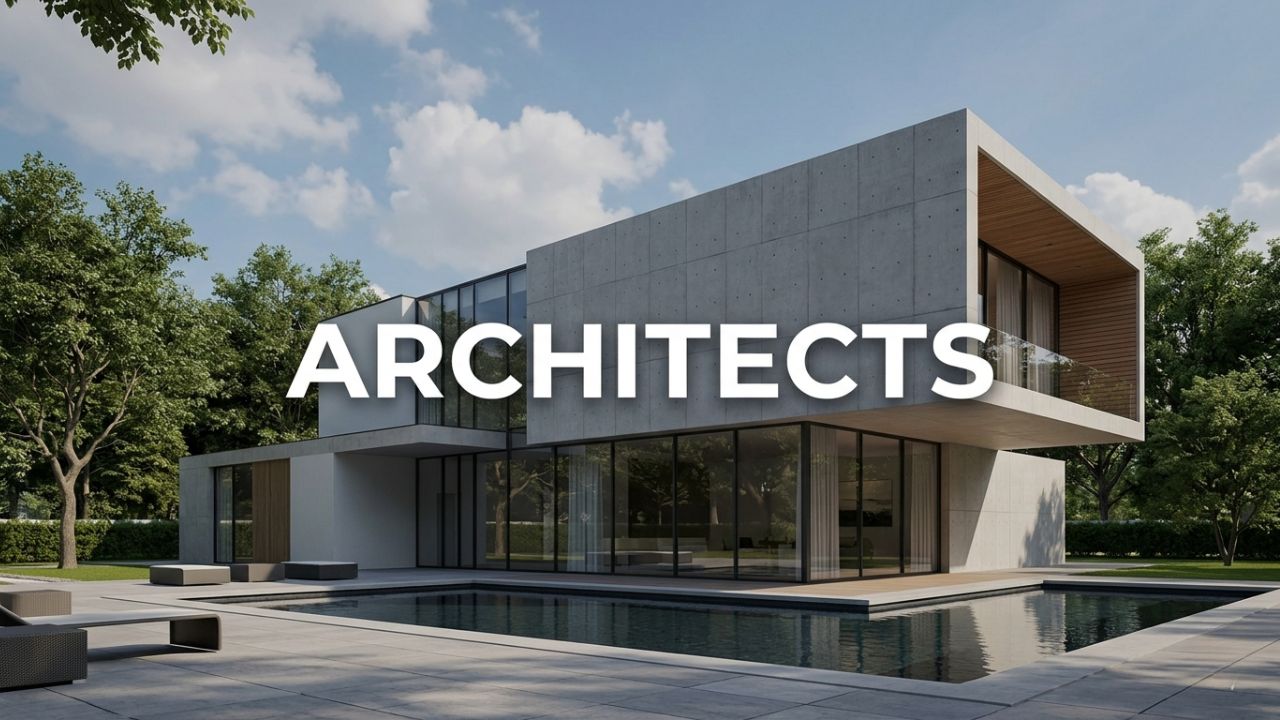
Architects operate in a detail-oriented and trust-driven profession where credibility, creativity, and precision influence every project decision. A strong digital presence is essential, and a domain extension plays an important role in shaping how an architectural practice is perceived online. It communicates professionalism, expertise, and design focus within seconds of being noticed. Whether working on residential design, commercial projects, or urban planning, the right domain extension can strengthen identity and support client confidence.
Understanding Domain Extensions for Architects
Domain extensions are a key part of an architect’s online identity, shaping how potential clients perceive the practice before they explore its work. They appear at the end of a web address but carry meaning related to trust, clarity, and specialization. In architecture, where precision and presentation matter, even small details can shape perception. Familiar extensions such as .com often suggest credibility, while options like .design or .archi highlight a direct connection to creative services.
 What domain extensions mean for Architects
Domain extensions serve as signals that help clients quickly understand the focus of an architectural practice. A widely recognized extension like .com often conveys familiarity and reliability, while a targeted option such as .design or .archi clearly communicates creative expertise. This clarity is valuable when clients search for architectural services and want quick, clear direction. A relevant extension helps guide expectations and encourages engagement.
Beyond clarity, domain extensions influence how easily a practice is remembered. A well-matched extension strengthens the connection between the firm name and its design services, making it easier for clients to recall later. When used consistently across portfolios, presentations, and communication channels, it reinforces identity. Architects who choose meaningful domain extensions often create a seamless experience that supports both client acquisition and long-term relationships.
Why architects’ businesses need the right domain strategy
A clear domain strategy helps architects maintain consistency and professionalism across their digital presence. It involves selecting extensions that align with design specialization, target audience, and long-term goals. Without a structured approach, domain choices may appear inconsistent, reducing clarity and weakening brand identity. A thoughtful strategy ensures that every domain supports communication efforts and the growth of practice.
Strategic planning also allows flexibility for expansion. Architectural practices often diversify into new project types or markets, and a poorly chosen domain can limit these opportunities. A relevant and adaptable extension supports scalability while maintaining a strong identity. With the right domain strategy, architects can build a stable and recognizable presence that evolves with their work and expertise.
How domain extensions influence trust in Architects
Trust is essential in architecture, where clients invest significant resources into design and construction projects. Domain extensions contribute to building trust by shaping a website’s first impression. Familiar extensions such as .com often reassure visitors, making them more comfortable exploring portfolios or requesting consultations. This sense of reliability encourages engagement.
Relevant extensions also enhance trust by clearly reflecting the nature of the practice. When the domain name and extension align, it signals professionalism and attention to detail. Clients are more likely to connect with an architect who presents a clear and organized digital presence. Architects who focus on trust by making thoughtful domain selections can strengthen relationships and improve client confidence.
Common domain mistakes made by Architects
Architects often make mistakes when selecting domain extensions, which can affect visibility and client perception. One common issue is choosing extensions that are difficult to remember or spell, making it harder for clients to revisit the website. Another mistake is selecting domains that do not clearly reflect the design focus, leading to confusion.
Ignoring future growth is another frequent challenge. A domain that fits current services may not support expansion into new design areas or markets. Additionally, failing to secure similar domain variations can create risks of confusion or misuse. Architects who avoid these mistakes by planning carefully and choosing relevant extensions can build a stronger and more consistent digital presence.
Why Domain Choice Matters for Architects
Domain choice plays a significant role in how architects present their work and expertise online. It directly influences branding, client perception, and online visibility, making it an important part of building a strong presence. A well-chosen domain creates a clear first impression and helps clients remember the practice easily. In a design-focused industry, this advantage supports better engagement. Beyond branding, domain choice supports search visibility by providing context about architectural services and specialization.
Branding impact in the Architects market
Branding in architecture relies on clarity, creativity, and consistent presentation, and the domain name plays a key role in shaping that identity. A clean, relevant domain extension strengthens brand identity by making the practice easier to recognize and remember. When the domain aligns with the firm name, it creates a consistent and professional image across platforms.
A strong domain also supports communication efforts by providing a unified identity across digital channels. When clients encounter the same domain repeatedly, it reinforces familiarity and trust. Architects who focus on branding through thoughtful domain selection create a clear, refined identity that supports long-term recognition.
SEO advantages for architects’ websites
Search visibility is important for architects aiming to attract clients, and domain choice can support broader SEO efforts. While domain extensions alone do not determine rankings, a relevant domain provides context that helps search engines understand the practice’s focus. When combined with quality content, it improves discoverability.
User behavior also influences search performance. Domains that appear trustworthy and easy to understand can improve click-through rates, as clients are more likely to explore credible websites. Increased engagement over time can positively impact visibility. Architects who prioritize clear, meaningful domains often experience steady growth in their online reach.
Customer trust in architects’ digital businesses
Customer trust is essential in architecture, where projects involve long-term commitments and significant investment. A professional domain name helps build confidence and reassures clients about the practice’s authenticity. When a domain appears clear and familiar, it reduces uncertainty and encourages interaction.
Consistency between the domain, portfolio presentation, and communication further strengthens trust. When all elements align, it creates a seamless and professional experience. Architects who focus on building trust through their domain choice can improve client relationships and support long-term success.
Competitive positioning of Architects
Domain choice influences how architects present their services and creative direction. A distinctive and relevant domain extension helps create a clear identity, making it easier for clients to recognize and remember the practice. This clarity supports better communication of design expertise and services.
A well-chosen domain also reflects the architect’s style and specialization. Whether focused on residential design, commercial projects, or sustainable architecture, the right extension clearly communicates intent. Architects who use domain selection as part of their positioning approach can attract the right audience and build a strong presence that supports long-term growth.
Best Domain Extension Types for Architect Businesses
Selecting the right domain extension aligns architects’ digital identity with their design philosophy and business goals. Different types of extensions offer unique benefits, from traditional, widely recognized options to modern, creative alternatives. Each type serves a specific purpose depending on strategy and audience. Traditional extensions provide familiarity and trust, while industry-specific options highlight expertise. Modern extensions offer flexibility, and country-specific domains strengthen local connections.
Traditional domains used by architectural companies
Traditional domain extensions such as .com remain a popular choice for architects due to their familiarity and credibility. Clients often associate these extensions with established and reliable practices, making them a safe option for building trust. A traditional domain creates a strong first impression and encourages visitors to explore portfolios further.
These domains also offer flexibility and a wide reach, allowing architectural practices to expand without limitations. Although securing the desired name can be challenging, a strong, memorable domain name provides long-term benefits. Architects who invest in traditional extensions gain a stable foundation that supports branding, client trust, and consistent growth.
 Industry-specific extensions relevant to Architects
Industry-specific domain extensions provide architects with a clear way to communicate their expertise through the web address. Extensions like .design or .archi directly highlight the creative nature of the services, helping visitors understand the focus at a glance. This clarity can improve engagement by attracting clients interested in design services.
These extensions also allow for more descriptive and meaningful domain names, as they are less crowded than traditional options. Architects can secure names that align closely with their design identity. When used effectively, industry-specific extensions strengthen recognition and create a strong connection between the domain and the brand.
Modern and niche TLDs for Architects startups
Modern and niche top-level domains offer architectural startups the opportunity to create unique and flexible online identities. Extensions such as .online provide adaptability, allowing practices to experiment with naming strategies that reflect their creative vision. These options are useful for establishing a distinct presence.
Niche TLDs also support targeted branding by aligning with specific design styles or audiences. This helps practices attract focused clients and build a clear identity. While these extensions may not be as widely recognized as traditional ones, they offer valuable opportunities for thoughtful and creative branding.
Country-specific domains used by architects’ businesses
Country-specific domain extensions are valuable for architects targeting specific regions or local markets. Extensions like .in signal local relevance, helping clients feel more connected to the practice. This local identity can improve trust and encourage inquiries.
These domains also support localized strategies by aligning with regional preferences and search behavior. Architects can use country-specific extensions to strengthen their presence within specific locations and build stronger relationships with local clients. By combining local relevance with clear branding, these domains help create an effective and focused digital strategy.
Recommended Domain Extensions for Architects
Choosing the right domain extension is an important step for architects seeking to convey professionalism, creativity, and trust through their online presence. In a field where design, precision, and long-term projects define success, a domain name plays a strong role in shaping perception. Extensions like .com remain widely recognized and trusted, making them a reliable choice for building a lasting brand identity. At the same time, niche options such as .architecture, .design, and .studio provide clear relevance and help communicate expertise instantly.
Best domain choices for Architects startups
Starting an architectural practice requires a domain that feels professional, creative, and easy to remember. Since architecture relies on trust, design quality, and long-term collaboration, the domain should make a strong, credible first impression. Short and simple names paired with trusted extensions like .com help establish reliability quickly. When .com is unavailable, options such as .design or .studio can still clearly reflect the creative nature of the work.
Clarity and simplicity are essential for attracting early clients. A domain should be easy to spell, pronounce, and recall without confusion. Complicated names or unusual spellings can reduce visibility and make it harder for clients to revisit the website. A name that reflects design, structure, or creativity creates a stronger connection. Choosing the right domain early supports branding, improves discoverability, and builds a solid foundation for consistent growth.
Best domain extensions for established architecture companies
Established architectural firms often focus on strengthening brand authority and expanding their reach through the structured use of domains. A .com domain typically serves as the central identity, offering familiarity and reliability for clients and partners. As the firm grows, additional domain extensions may be used to support specialized services, project portfolios, or regional offices.
Using multiple extensions, such as .architecture or service-specific domains, allows firms to present targeted offerings while maintaining a consistent identity. This approach also helps protect the brand and ensures that clients reach the correct platform. Managing a structured domain portfolio enhances visibility, improves communication, and supports expansion into new design areas or geographic markets.
Best domain options for new Architects businesses
New architectural businesses often face challenges in securing ideal .com domain names due to limited availability. Exploring modern extensions such as .online, .design, or .studio provides greater flexibility and allows firms to select relevant, meaningful names. These extensions help communicate creativity while maintaining a professional appearance.
A domain should remain adaptable as the business grows. Choosing a name that is too specific may limit expansion into new architectural services or project types. A balanced and versatile domain supports long-term scalability while maintaining clarity. A well-chosen domain helps new architectural firms establish a strong presence, attract clients, and build recognition over time.
Best domain extensions for service-based architecture firms
Service-based architectural firms, such as consulting, interior planning, and project management, require domains that convey trust and expertise. Extensions like .com, .co, and .online are widely used because they offer familiarity and build confidence. These domains are especially important when services involve long-term collaboration and detailed project work.
Niche extensions can also highlight specific services and make the domain more descriptive. The focus should remain on simplicity and memorability, ensuring that clients can easily return to the website. A strong domain choice supports credibility, enhances brand perception, and helps maintain consistent communication across all digital platforms.
Domain Strategy Guide for Architects Businesses
A well-defined domain strategy is essential for architectural firms aiming to build trust and grow steadily. Beyond selecting a domain name, a structured approach ensures alignment with branding, marketing, and long-term business goals. The Architecture sector relies heavily on reputation, precision, and visual presentation, making a strong digital presence important. A clear domain strategy helps maintain a unified identity across platforms while supporting expansion into new services, project types, or regions.
Choosing brandable domains for Architects
A brandable domain helps an architectural firm stand out while remaining easy to remember and meaningful. Strong domains often combine simplicity with creative relevance, allowing clients to recall the name when searching for design services. Short and clear names reduce confusion and improve usability, especially when shared across digital and professional channels.
Creativity should be balanced with clarity. A domain that feels too complex may not connect with clients, whereas a clear, meaningful name builds trust quickly. Consistency across websites, portfolios, and communication channels strengthens identity. A well-crafted domain becomes a valuable asset that supports recognition, client confidence, and long-term growth.
When should architects’ companies use .com vs niche TLDs
The choice between .com and niche domain extensions depends on business goals and client expectations. The .com extension remains widely trusted and recognized, making it suitable for architectural firms aiming to build strong credibility and reach a broad audience. It supports long-term branding and client confidence.
Niche extensions such as .architecture or .design provide flexibility, allowing firms to create more descriptive domain names. These options are useful when the desired .com is unavailable or when highlighting specific expertise. A balanced approach often works best, where both .com and relevant niche extensions are secured to combine trust with clear branding.
 Multi-domain strategy for scaling Architects’ businesses
As architectural firms grow, managing multiple domains becomes an effective way to support expansion and reach different client segments. A multi-domain strategy may include domains for services, regions, or specialized design areas. This approach allows firms to present tailored offerings to different audiences.
Proper coordination is essential to maintain consistency and avoid confusion. Each domain should serve a clear purpose and align with the overall identity. Using redirects, consistent design, and unified messaging ensures a seamless experience. A well-planned multi-domain strategy enhances visibility, supports growth, and helps maintain a strong presence.
Protecting brand identity in the Architects sector
Protecting brand identity is crucial in the architecture sector, where trust and reputation are essential. Securing multiple domain variations, including different extensions and common misspellings, helps prevent misuse and ensures that clients reach the correct platform.
Regular monitoring of domain activity helps identify potential risks early. Taking timely action against unauthorized use protects reputation and client trust. A strong protection strategy reinforces credibility and ensures full control over the online presence. Prioritizing domain security supports long-term stability and growth.
Real-World Examples of Domain Use in Architects
Real-world examples provide valuable insights into how architectural firms use domains to build recognition and achieve steady growth. Successful firms focus on simplicity, clarity, and consistency when selecting and managing their domains. These domains are easy to remember and align closely with the brand identity. Observing how different firms structure their domains highlights practical approaches that support effective communication and visibility. From residential projects to large-scale developments, domain choices influence trust, accessibility, and scalability.
Successful Architects startups using strong domains
Successful architectural startups often begin with domains that are simple, memorable, and closely aligned with their brand identity. These domains help create immediate recognition and make it easier for clients to recall the firm when searching for design services. A clear and relevant domain supports early engagement and builds trust quickly.
Consistency across platforms strengthens visibility. When the domain matches the firm name used in portfolios and communication, it creates a unified identity that clients can easily recognize. Over time, this consistency contributes to stronger recall and steady growth. A well-chosen domain becomes a valuable asset that supports long-term success.
How leading architecture companies structure their domains
Leading architectural firms often use structured domain systems to manage different aspects of their operations. This may include subdomains for projects, separate domains for regions, and dedicated domains for specialized services. Such an organization enables clear communication and efficient client interactions.
A clear domain structure improves navigation and helps clients easily find relevant projects or services. Maintaining consistency across all domains reinforces identity and trust. This structured approach supports scalability and helps firms expand into new areas while maintaining control over their online presence.
Modern Architects using new domain extensions
Modern architectural firms are increasingly adopting new domain extensions to create flexible and descriptive identities. Extensions like .design, .architecture, and .studio allow firms to secure meaningful names that reflect their expertise. These domains help highlight creative services while enabling clear communication.
Maintaining trust remains essential when using new extensions. Pairing a niche domain with strong branding and a professional website ensures credibility. Many firms also secure the .com version to protect their identity. This balanced approach allows architectural firms to adopt modern naming while maintaining client confidence.
Lessons from top-performing architects’ websites
Top-performing architectural websites highlight the importance of simplicity, clarity, and consistency in domain selection. Their domains are easy to remember, aligned with the brand, and supported by clear communication strategies. These firms treat their domain as a long-term asset that influences client perception and engagement.
One key lesson is the value of choosing a straightforward domain that avoids confusion. Complex names can reduce trust and limit accessibility. Consistency across all channels strengthens recognition and builds reliability. By focusing on clarity and thoughtful planning, architectural firms can create a strong digital foundation for sustained growth.
How to Choose the Right Domain for Your Architects
Choosing a domain for architectural services requires a careful balance of creativity, clarity, and professionalism. A domain name often makes the first impression, helping clients decide whether a design firm feels reliable and capable. In architecture, where design, precision, and trust are major factors, the domain should reflect expertise and aesthetic value. Including relevant keywords such as architecture, design, studio, or build can improve visibility and help attract the right audience.
Step 1: Identify your architect’s business model
A clear understanding of the architectural approach helps create a domain that reflects the firm’s identity and services. Architectural practices may focus on residential design, commercial projects, interior planning, or specialized concepts such as sustainable architecture. Each model has a distinct identity, and the domain should naturally align with that focus. A design-focused studio may benefit from a creative, modern name, while a consultancy-oriented firm may require a more professional, structured tone. This alignment helps communicate services clearly.
Consistency between the business model and the domain name also strengthens communication across platforms. A well-matched domain makes it easier to present portfolios, services, and design philosophies clearly and engagingly. Search engines respond better to domains that match user intent, improving visibility for relevant architecture searches. A clear and relevant name reduces confusion and builds trust from the first interaction. As services expand into new areas, a domain aligned with the business model ensures smooth growth while maintaining a consistent and recognizable identity.
Step 2: Define your target audience in Architects
Defining the target audience is important for shaping a domain that feels relevant and appealing. Architectural services often cater to homeowners, developers, businesses, or institutions, depending on the firm’s focus. Each group has different expectations, and the domain should reflect a tone that aligns with those needs. A domain targeting luxury residential clients may convey an elegant, refined feel, while one aimed at commercial clients may require a more structured, professional tone. This alignment helps build a strong connection.
Audience understanding also influences keyword selection within the domain. Clients often search based on project type, location, or design style, and aligning the domain with these patterns can improve discoverability. Regional language and cultural preferences also shape how a name is perceived. A domain that resonates with the intended audience builds confidence and encourages engagement. Strong alignment ensures the firm attracts the right clients and delivers a consistent, meaningful experience across all digital touchpoints.
Step 3: Evaluate domain availability for the Architects’ brands
Evaluating domain availability ensures that the chosen name can be secured without conflicts or compromises. Many preferred names may already be registered, necessitating exploration of alternatives that maintain clarity and relevance. Adding location-based or service-specific keywords can help secure a suitable option while preserving meaning. However, simplicity should remain a priority, as complex names can reduce memorability and trust. Availability checks should also include social media platforms to maintain a consistent brand presence.
Legal verification is an essential part of this process. Checking trademarks helps avoid disputes and protects the firm’s identity. Reviewing the domain’s history can also reveal past issues that may affect its reputation or search performance. A clean and available domain provides a strong starting point for building credibility. Taking time to evaluate these factors ensures that the final choice is both secure and practical, supporting long-term growth without unexpected challenges.
Step 4: Final checklist before selecting a domain
A final checklist helps confirm that the domain meets all essential requirements before making a decision. The name should be easy to spell, pronounce, and remember, ensuring smooth client interactions. It should clearly reflect architectural services and avoid vague or unrelated wording. Short, concise domains tend to perform better because they reduce errors and improve recall. Checking keyword relevance can also support search visibility and align the domain with client intent.
Consistency across digital platforms is another key factor to consider. Matching the domain with available social media handles strengthens brand recognition and builds trust. Testing the name with a small group can provide useful feedback on clarity and visual appeal. It is also important to ensure that the domain does not carry unintended meanings in different languages or regions. A final review of legal availability and scalability ensures that the domain remains suitable as the firm grows. Completing this checklist builds confidence in selecting a strong and dependable domain.
Recommendations for the Architects Domain Strategy
A well-planned domain strategy helps architectural firms build a strong, reliable online presence and support long-term growth. The right approach balances creativity, professionalism, and clarity, ensuring that the domain remains effective across different services. Extension choice, keyword alignment, and audience focus all contribute to a successful strategy. Planning allows the firm to expand into new design areas or markets without needing major changes. A thoughtful domain strategy strengthens visibility, builds trust, and creates a consistent identity across all digital platforms.
 Best overall domain extension for Architects
The .com extension remains the most trusted and widely recognized option for architectural firms. It offers strong credibility and is often the first choice clients consider when visiting a website. This familiarity builds confidence and increases direct traffic, making it easier for clients to find and remember the brand. A .com domain also offers a broader reach, which is important for firms operating across regions or internationally.
Flexibility is another key advantage of using .com. Architectural firms often expand services, such as adding new design specialties or entering new markets, and a .com domain supports this growth without restricting identity. It also performs consistently in search results, helping maintain long-term visibility. While securing a suitable .com name may require effort, the benefits in trust, recognition, and scalability make it a dependable choice for most architectural businesses.
Best affordable option for architects’ startups
Affordable domain extensions provide a practical starting point for architectural startups working with limited budgets. Options like .online, .site, or .store can still create a professional presence while keeping initial costs manageable. These extensions allow new firms to establish an online identity quickly and begin showcasing their work. A well-chosen name, combined with an affordable extension, can still convey clarity and professionalism.
Cost-effective domains also offer flexibility during early growth stages. Startups can test branding approaches and refine identity without significant financial pressure. As the firm grows, there is always an option to secure additional domains or upgrade to a premium one. These extensions can still align with search intent when paired with relevant keywords. For new architectural firms, balancing affordability with clarity ensures a smooth start while leaving room for future expansion.
Best premium branding option in the Architects space
Premium domains focus on creating a strong and memorable brand identity that reflects design excellence. Short, clear, and brandable names or keyword-rich domains often fall into this category, offering better recall and visual impact. Extensions like .co or design-focused naming styles can add a modern and distinctive touch. Although these domains may require higher investment, they provide long-term value in terms of perception and recognition.
Investing in a premium domain can position an architectural firm as refined and high-quality from the beginning. A strong name simplifies marketing efforts and improves recognition across different channels. It also reduces the need for complex branding strategies, as the domain itself carries a clear identity. For firms aiming to build strong client trust and long-term presence, this investment can deliver lasting benefits and support steady growth.
Expert guidance for the Architects domain selection
Expert guidance can make the domain selection process more structured and effective. A strategic approach considers factors such as service focus, audience preferences, and keyword relevance. Insights into naming patterns help identify domain options that resonate with clients and perform well in search results. This clarity reduces uncertainty and ensures that the chosen domain aligns with long-term goals.
Avoiding common mistakes is another important benefit of professional support. Complex names, unclear messaging, or overlooked legal issues can create challenges later. Guidance helps identify these risks early and suggests alternatives that maintain clarity and availability. Recommendations may also include strategies for extension selection, branding consistency, and scalability. With a well-informed approach, the domain becomes a strong foundation for building a successful architectural firm and achieving lasting professional success.
Frequently Asked Questions About Domain Names for Architects
What is a domain name, and why is it important for an architect?
A domain name is the unique web address that allows clients to find an architect or design studio online. It serves as a digital portfolio that presents projects, design philosophy, and services in a clear, structured way. In a visually driven field, a simple and memorable domain helps create a strong first impression.
A well-chosen domain also builds credibility and professionalism. When searching for architectural services, a dedicated website signals expertise and trust. It becomes a central platform for showcasing completed projects, sharing design ideas, and guiding potential clients to inquiries or consultations.
How to choose the best domain name for an architect?
Choosing the right domain name starts with clarity and identity. Words like “architect,” “design,” “studio,” or “spaces” can instantly reflect the nature of the work. A short, easy-to-pronounce name improves recall and helps clients find the website more easily.
Adding a personal brand or studio name can strengthen uniqueness. Including a location may also help attract local clients. Avoid complex spellings or unnecessary symbols, and focus on a clean, meaningful domain that reflects creativity and professionalism.
Which domain extension works best for architects?
The .com extension remains the most widely trusted and recognized option. It offers familiarity, making it easier for clients to remember and access the website. For architects aiming to build a broad presence, a .com domain provides a strong foundation.
Other extensions, such as .architecture, .design, or .studio, can also be effective. These options align closely with the profession and add a creative touch. The final choice should balance trust with branding to ensure the domain stands out.
Should keywords be included in an architect’s domain name?
Including relevant keywords can make a domain name more descriptive and useful. Words such as “architecture,” “design,” or “planning” help clients understand the services offered. This can improve clarity and attract the right audience.
However, using too many keywords can make the domain look cluttered and less elegant. A balanced approach works best, combining a strong brand name with one meaningful keyword. This keeps the domain simple while maintaining relevance.
How long should a domain name be for an architect?
A domain name should be short, clear, and easy to remember. Keeping it within two or three words improves usability and makes it easier for clients to type and share. Short names also reduce the chances of errors.
Long domain names can create confusion and reduce recall. A concise name helps clients return to the website without difficulty. Simplicity supports a stronger and more professional online identity.
Is it important to secure multiple domain variations?
Securing multiple domain variations helps protect an architect’s brand from confusion and competition. Registering similar names or common misspellings ensures that clients always reach the correct website, even with minor typing errors.
This strategy also supports long-term branding and marketing efforts. Owning variations allows flexibility for campaigns and future growth. Although it involves additional cost, it strengthens control over the brand’s online presence.
Can a domain name improve online visibility for architects?
A domain name can support visibility when it reflects the services and location. Including relevant terms or geographic details helps search engines connect the website with client searches, increasing the chances of discovery.
However, visibility also depends on factors such as portfolio quality, content, and user experience. A well-chosen domain name works alongside these elements to build a strong, trustworthy presence online.
How much does a domain name cost for an architect?
The cost of a domain name depends on the extension and availability. Standard domains are generally affordable and require a yearly renewal fee. Premium domains, especially short or highly desirable names, may cost more.
Planning for renewal costs is important to maintain ownership over the long term. Investing in a strong domain supports branding and client trust. Even a small yearly expense can provide long-term value and stability.
What mistakes should be avoided when choosing a domain name?
One common mistake is choosing a domain that is difficult to spell or remember. This can lead to confusion and lost opportunities. Avoid using numbers, hyphens, or unusual spellings that make the domain harder to use.
Another mistake is selecting a name that does not reflect the design style or services. A vague domain can reduce impact. A clear and meaningful name helps build trust and creates a stronger connection with potential clients.
How to register a domain name for an architect?
Registering a domain name involves checking availability and purchasing it through a domain registrar. The process is simple and can be completed quickly. Once registered, the domain can be connected to a portfolio website.
Providing accurate registration details is important for ownership and security. Enabling domain privacy helps protect sensitive information. Regular renewal ensures uninterrupted access, allowing the architect to maintain a reliable and professional online presence.